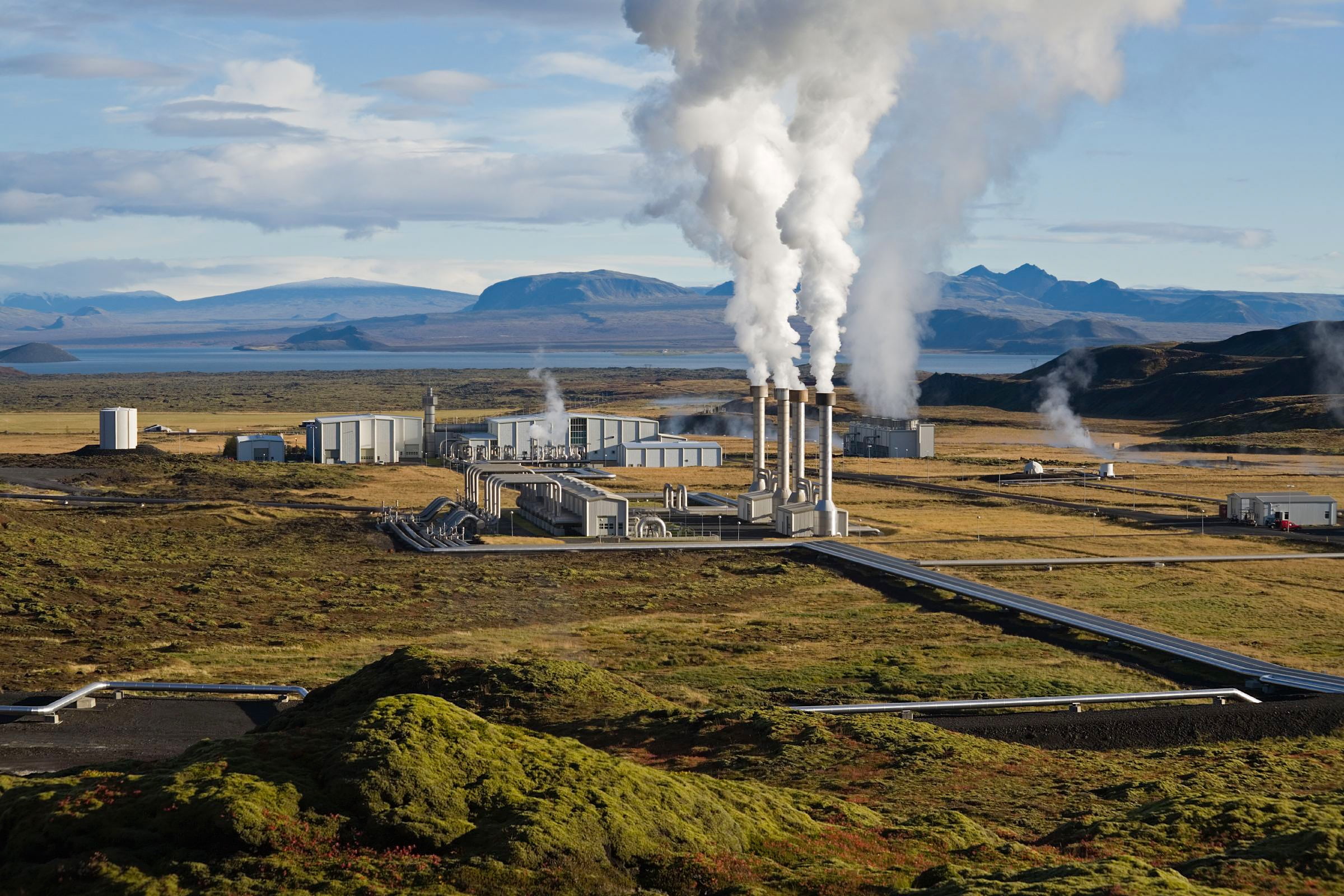
According to Oficinas Verdes, on 19 October the Canary Islands Government Council approved a decision that looks technical if you read it fast: the “Sondeo Isla de La Palma” project is excluded from the simplified environmental impact assessment procedure. Read slowly, it raises a bigger question. Can an island that lived through the Tajogaite eruption in 2021 find steady energy under its own feet?
The news appeared on 27 October on Oficinas Verdes and PiensaGeotermia. The legal basis is EU Regulation 2022/2577, which sets temporary measures to speed up renewables. Article 3 recognises an overriding public interest for these projects and article 6 allows procedures to be streamlined. The reasoning, according to the text, is that a simplified assessment could turn into an ordinary one and lengthen the research: it speaks of “demoras en la investigación de este recurso energético”, delays in researching this energy resource.
What is guaranteed? None of the planned boreholes sits in the Canary Islands’ protected natural spaces or in the Natura 2000 network. The project was assessed and validated by technicians from the regional government and the La Palma island council, and environmental monitoring protocols will apply during the works.
Now the caveats. The two sources do not describe the decision in the same way. One speaks of exclusion from the simplified procedure, the other of a project “exenta” (exempt) from environmental assessment requirements. It is not clear whether the exemption covers one project or every initiative planned on the island, and the official communication does not say. For readers who want to know how much oversight there will be, this is the key question, and it remains open for now.
The numbers are missing too. The texts do not say how many boreholes are planned, how deep, at what cost or on what timetable, and they give no results from earlier studies. Anyone who talks about “steady energy” should remember that all that is being tested is whether a usable resource exists.
The appeal of geothermal is simple. It does not depend on wind or sun and can generate electricity around the clock. In the Canary Islands, high-enthalpy geothermal for power generation is still at a development stage, and drilling exists precisely to find out whether there is anything to exploit.
The background is a path already begun. On the island, exploration is in the hands of Sodepal, a public company, in Villa de Mazo and Fuencaliente, while other private companies have applied to explore. Repsol, according to PiensaGeotermia, pulled out of exploration on La Palma in 2025. On Tenerife, according to the same source, exploratory drilling confirmed a high-temperature resource at 2,300 metres.
It remains to be seen how residents and environmental groups will react. The sources we read contain no statements for or against, and we will not invent any. But La Palma’s recent history suggests that confidence in what happens underground is earned with open data. Knowing where drilling takes place, how much, and under what controls will be the most important part of this story.