To get your olives pressed in Fuerteventura you first have to pick up the phone. The number belongs to the Pozo Negro experimental farm, in the municipality of Antigua, and it books you a slot at the island council’s mill. The Cabildo asked for exactly that when it opened the season on 1 August.
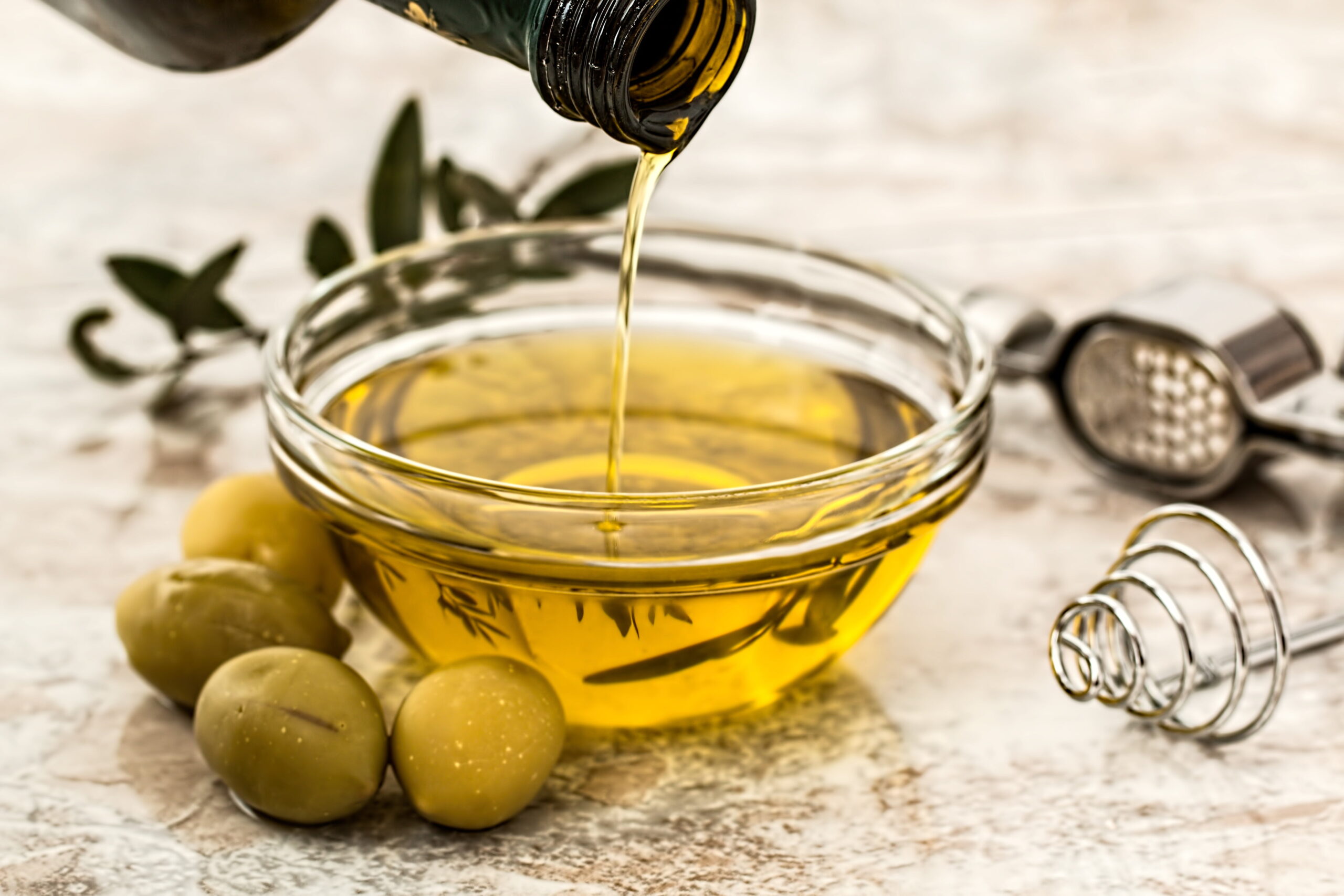
The 2026 campaign closes this Friday, 30 October. The Cabildo posted the figures on social media and Canarias7 and Vivir Ediciones picked them up: 15,250 litres of oil, around 149,000 kilos of olives milled, 145 growers, 240 separate lots. The average yield is a little over 10 litres per 100 kilos. The council says the numbers may shift slightly before the official close.
The backstory matters. In 2025 the same mill processed more than 70,000 kilos and handed oil to 145 local growers, according to the Cabildo’s own figures published that October. So the olive volume has roughly doubled with the same number of growers. And before that came 2024, the “historic zero”: the harvest was so thin that the island’s mills did not open. Local press floated a lack of winter cold and water scarcity, as a possibility rather than a diagnosis. Mohamed Galdi, manager of the Teguerey mill, said the plan was to look after the trees and wait for the next season.
Two good years are not yet a trend, and none of the sources I read pins the jump on a specific cause. What the documents do show is the structure that lets small growers take part. A mill costs money, takes space and needs labour and water for cleaning. On an island with about 200 olive growers, according to the 2024 coverage, few could run one of their own. Putting a public mill inside an experimental farm means each person’s olives become oil without each person having to invest.
The calendar follows ripening: manzanilla and arbequina in August, hojiblanca and picual in September, verdial from late September through October. Cabildo president Lola García and agriculture councillor Enrique Pérez praised growers who keep up “the excellence of a majorero product that is ever more recognised”.
Then there is what the texts leave out. We do not know how much water the groves use or whether they are irrigated, how much of the oil is sold and at what price, or what the service costs the Cabildo to run. Those are open questions, and they decide whether this model could be copied elsewhere or simply depends on a kind year.
For now the picture is simple. On an island where farming lives with wind, aridity and unpredictable seasons, 145 people took their olives to the same place and came back with oil. Anyone who wants to do it next year already knows where to start: with a phone call.