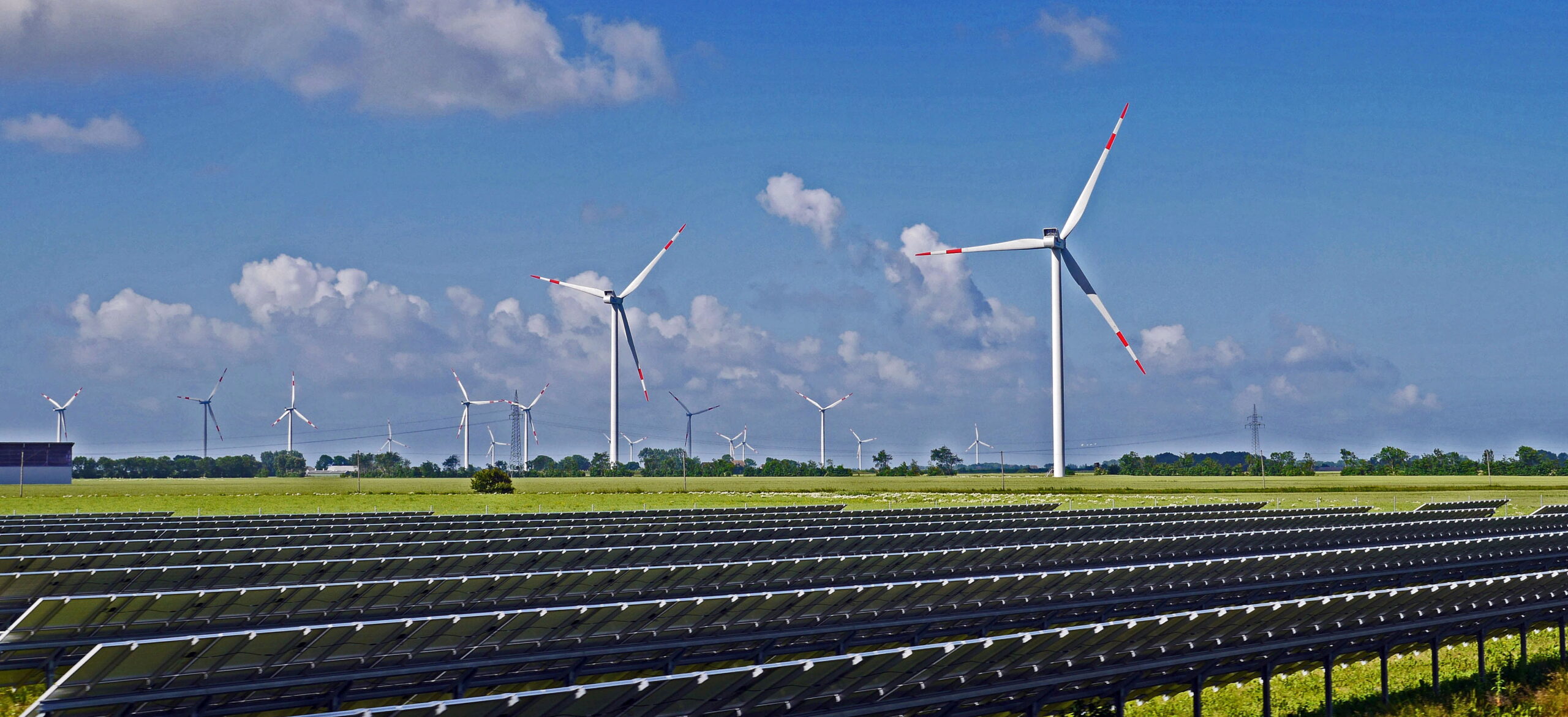
More than 15% of the renewable energy produced in the Canary Islands never makes it into the electricity system. It isn’t a shortage of turbines or panels. At certain hours more power arrives than the grid can take, and there is nowhere to set it aside. Energy minister Mariano Hernández Zapata said so in Parliament on 13 October, and added a line worth quoting: storage is not an extra in the energy transition, it is a necessary condition.
You can see the paradox with the naked eye. Sun and wind produce when they please, people use power when they can, and islands have no continental grid to dump the surplus on. So conventional plants stay lit to guarantee supply. Zapata admitted it plainly: batteries can’t yet carry demand for long stretches, so part of the conventional fleet stays for emergencies.
The example everyone cites is El Hierro. The Gorona del Viento wind-hydro plant, which uses water as a battery, covered 100% of the island’s electricity demand with renewables for more than a thousand hours in 2025. Renewable penetration on El Hierro is above 60%. On the other islands it sits below 20%. That comparison says more than any slogan.
The rest of the map is a building site or a proposal. On Gran Canaria the Chira-Soria pumped-storage plant is under construction, with over 200 MW of turbine power and roughly 3,500 MWh of capacity. Tenerife has a planned hydro plant at Güímar of about 200 MW and an investment above one billion euros. For La Palma, a study by the Canary Islands Technological Institute proposes a first phase of 30 MW and 600 MWh, with the Laguna de Barlovento as the priority site, though more studies and permits are needed. On Lanzarote and Fuerteventura pumped hydro is ruled out for now because the terrain lacks the height difference, and other technologies are being looked at.
Then come the batteries. La Gomera has three storage projects authorised, tied to the wind farms at Jedey, Las Tricias and La Sabina, around 2 MW each. The Tenerife-La Gomera interconnection has been running since 1 July, effectively making the two islands one system. And there is rooftop self-consumption: from about 136 MW in 2023 to more than 302 MW in June 2026, across 24,817 installations.
Behind all of it sits a rule that isn’t finished. Zapata asked Madrid to complete the royal decree on how batteries get paid in non-mainland systems, calling it a before and after for storage in the Canaries, and the regional government has filed objections to the pending amendment of Royal Decree 738/2015. Until batteries have a clear way to earn money, getting private companies to build them is hard, and the official texts I read don’t go into detail.
For anyone living here, the point is less abstract than it sounds. Every wasted kilowatt-hour is one somebody paid for in equipment and incentives, and fossil dependence only falls if you can use what you generate. How long that takes, nobody has put a number on: the timelines for Chira-Soria and Güímar are not specified in the sources I consulted.