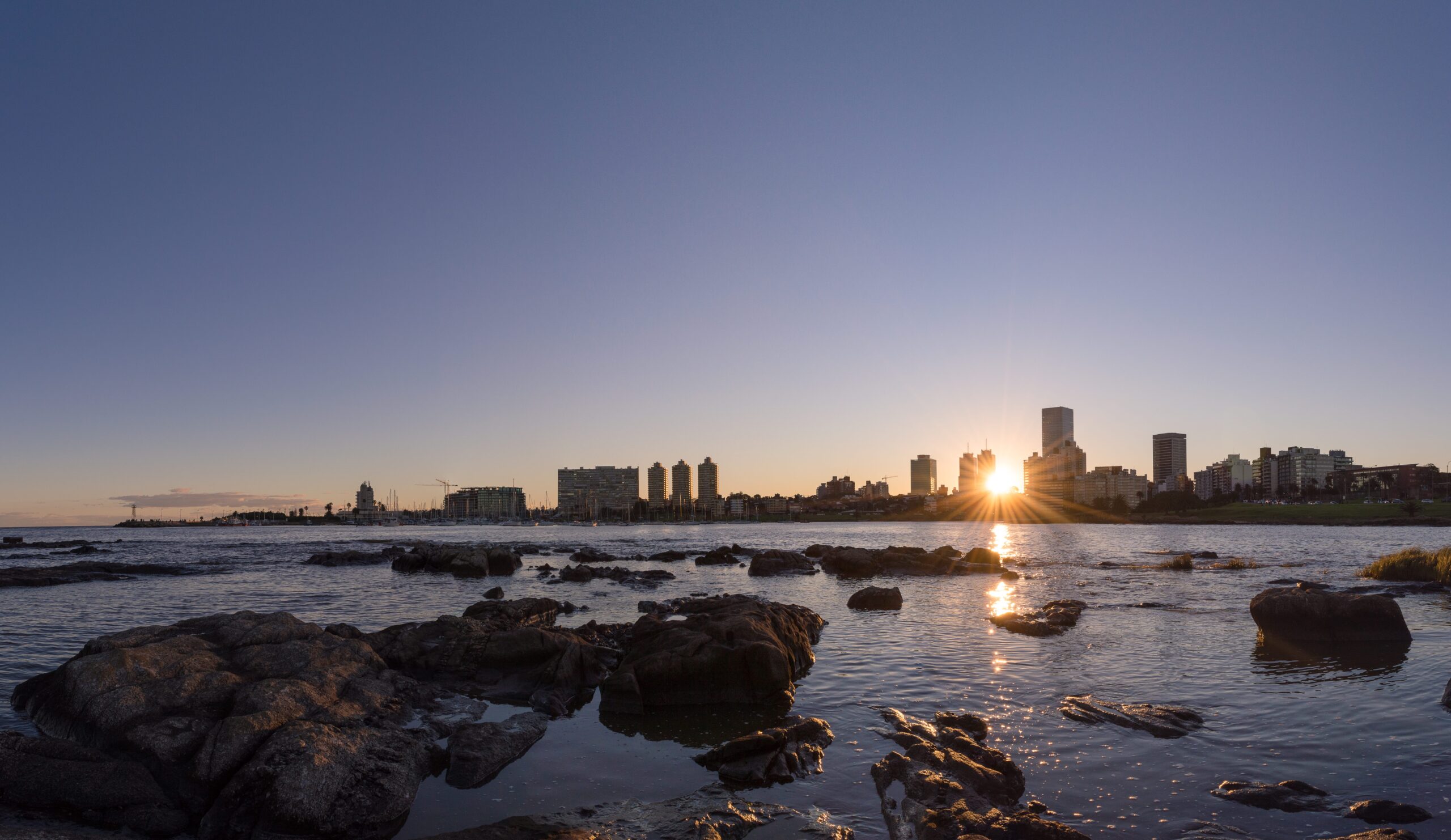
The ship was called Nuestra Señora de la Encina and it had sailed from Santa Cruz de Tenerife. On 19 November 1726 it entered the bay where Montevideo stands today, carrying about a hundred Canary Islanders, half of them children. A royal decree of 1725 had ordered that the new settlement on the River Plate be populated by families from the Canaries. Next Thursday, 19 November, Uruguay’s capital turns three hundred.
The exact number depends on the source. The Canary government speaks of 96 people and the “first 22 families”. A Europa Press report from September mentioned 20 families. On Friday 13 November in Santa Cruz, Uruguay’s consul Silvana Balaguer Mira gave the figure as 25. She also noted that later arrivals and the Libro Padrón, the city’s first census, consolidated the settlement.
Friday’s ceremony at Espacio La Granja was led by regional president Fernando Clavijo, with many Uruguayans living on the islands in the audience. It turned an emigration story the other way round. Clavijo, thinking of the Canary Islanders who left for the Americas in the twentieth century, said those countries had opened their doors when the islanders needed it, taken them in and given them a chance to work. The evening ended with the musical show “Tras las huellas”, directed by Julio Tejera and Rogelio Botanz.
The main celebrations, however, are in Uruguay from 16 to 20 November, according to the programme presented by the Canary government. Today, Monday, Canary musicians begin workshops on the timple and improvised décimas, with talks and a concert at the Sociedad Islas Canarias in Montevideo. On Wednesday 18 there is a Canaries-Uruguay studies symposium at the University of the Republic. On Thursday 19, the anniversary itself, the second Canary Heritage Days open at the Casa de Artigas museum in Sauce, in Canelones department. That evening the SODRE youth orchestra plays at the Auditorio Nelly Goitino in Montevideo. On Friday 20 a second concert starts at 9pm at the Teatro Politeama in Canelones.
The Sauce museum is no accident. Among the first settlers was María Rodríguez Camejo from La Laguna, grandmother of José Gervasio Artigas, regarded as the father of the Uruguayan nation. Uruguay’s parliament has declared the anniversary of national interest, the Uruguayan post office has issued a stamp, and in June the two governments signed a cooperation memorandum on sustainability, heritage, innovation and talent.
On the islands, the touring exhibition “Montevideo y Canarias. Una historia de ida y vuelta” by Fundación CICOP and Elfidio Alonso’s book “De Tenerife a Montevideo” continue throughout the month. Uruguayan ambassador Bernardo Greiver put it simply: coming to the Canaries, he said, is like coming home.