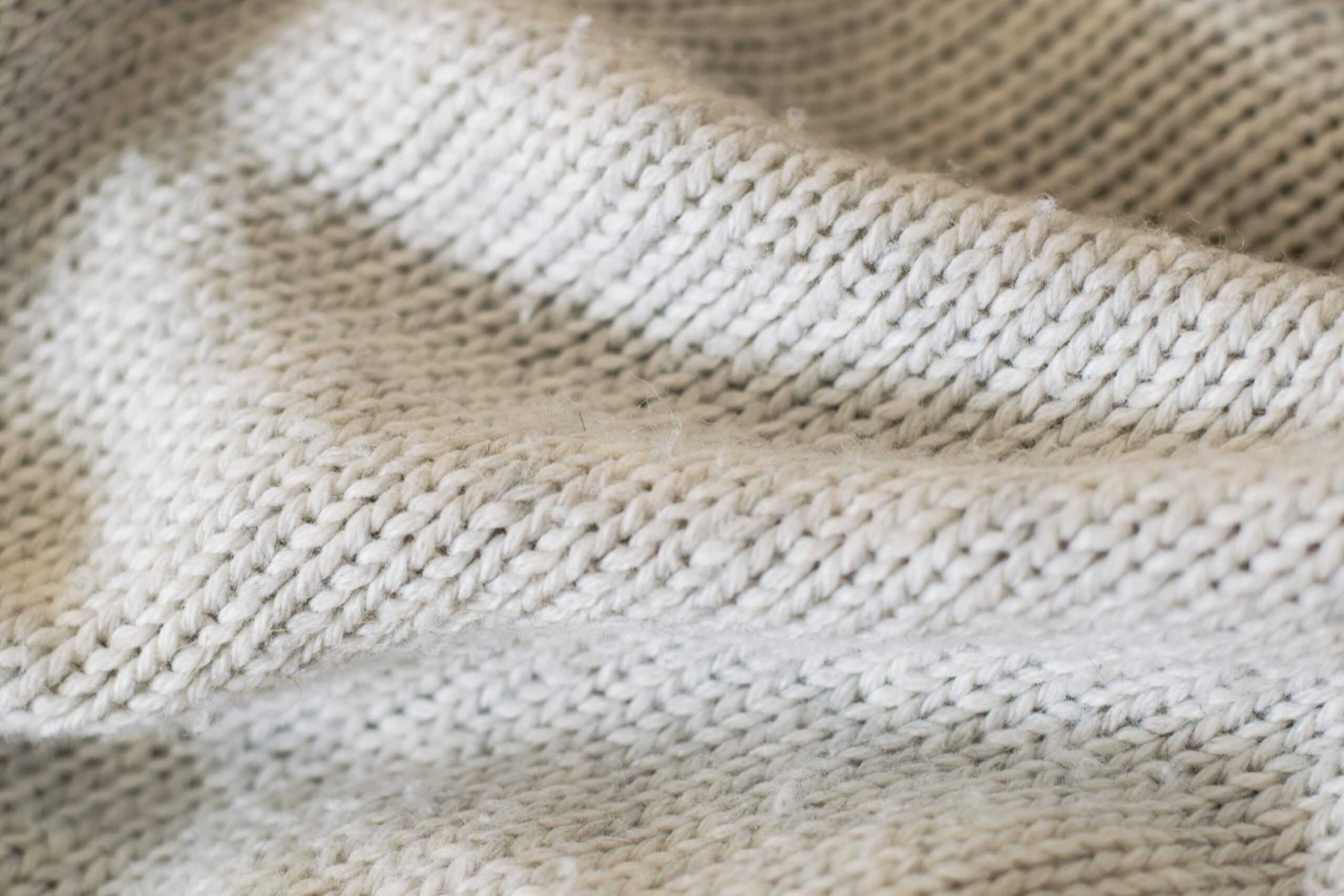
On Tuesday 15 September the US Federal Trade Commission approved “renoa” as its own apparel fiber category, the first in almost 25 years since PLA in 2002. It is made by Everbloom, a New York startup, by regenerating keratin-rich waste such as cashmere and wool offcuts and the feather and down lint left by the bedding industry. The first product on sale is expected in the second quarter of 2027, according to co-founder and chief executive Sim Gulati, who spoke to TechCrunch on 1 November.
The process, as TechCrunch describes it, starts with waste ground into powder, blended with a biodegradable biopolymer and extruded into fibers that mimic natural ones. Textile World adds that the waste is purified into protein and strengthened, and that the fiber runs on existing spinning machinery. Keratin is the protein that wool, feathers and hair are made of, which is why this waste can stand in for cashmere.
Artificial intelligence handles the hardest part. The make-up of the waste varies from batch to batch, which makes production uneven. Braid.AI, Everbloom’s platform, predicts how each batch will behave in softness, strength and dyeing before it is made. According to the company, the development cycle fell from about two months of lab testing to about two weeks.
The TechCrunch reporter saw a sweater, knit gloves and a scarf at the New York headquarters. The scarf had been washed, tumble dried and worn for months without pilling and, according to Gulati, without shrinking. An 80% cashmere, 20% renoa blend struck the reporter as “extremely close” to the real thing. Early garments should carry about that 20% of renoa: in a 300-gram sweater, roughly 60 grams (editorial estimate).
On the environmental side the numbers come from the company. Everbloom claims up to 99% less land and water and up to 92% fewer greenhouse gas emissions than silk, cashmere, wool and bio-recycled polyester, citing an assessment by Boundless Impact Research & Analytics. The land figure also reflects the fact that no grazing is needed: TechCrunch notes that cashmere is tied to environmental damage from goat grazing in Central Asia. Textile World cites an industry estimate of more than 20 billion pounds of keratin-rich waste a year, about 9 million tonnes (editorial conversion); that is not Everbloom’s capacity. The funding round is led by Hoxton Ventures.
Some points remain open. Volumes, production capacity and price have not been disclosed: Everbloom says only that it could cost less than cashmere. No partner brand has been named, although the company talks of several commercial programs under way. The environmental data have not been independently verified. The FTC decision applies in the United States and it has not been said whether applications will follow in other markets. It is also unclear how much of the finish will hold up when moving from sample to industrial production: Gulati says commercial finishing will remove the remaining differences without hurting washability or stability.
For shoppers nothing changes today: no garment with renoa is on sale. Everbloom said more deals with brands and manufacturers will be announced in the coming months.