Five projects, five Canary lead partners, amounts between €2.7 and €3.7 million. The sum is €16,286,117.15, spread over themes that rarely share a press release: industrial water, aquaculture, algae, small maritime businesses and ports ready for offshore wind. The Canary agency for research, innovation and the information society (ACIISI) presented them on 27 October as selected under the Interreg VI-D Madeira-Azores-Canarias programme 2021-2027.
Taking them one at a time, using the Canary government’s release.
The largest is ACUICONECTA, €3,699,616.87, led by the Instituto Tecnológico de Canarias (ITC): sustainable, resilient aquaculture, with players from the Azores, the Canaries and Madeira and cooperation with countries on Africa’s Atlantic coast. Next is IDIWATER (€3,513,967), also led by the ITC, on applied research and knowledge transfer in industrial water, covering desalination, agriculture and energy and using shared infrastructure such as the DESAL+ Living Lab platform.
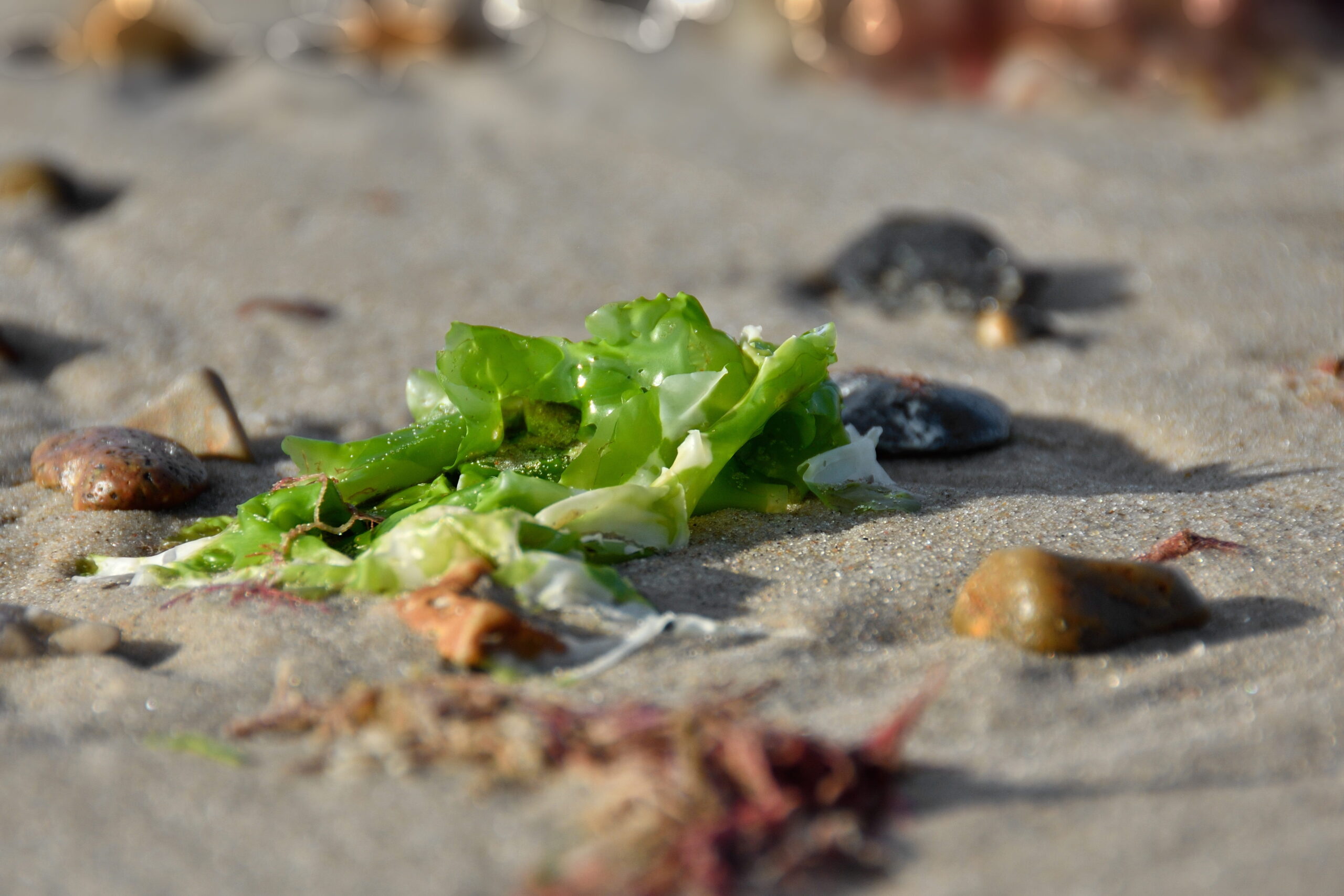
The most unusual may be CALYPSO (€3,513,567), coordinated by the Canary Foundation of the University of Las Palmas de Gran Canaria’s Science and Technology Park. The idea is to add value to algae and industrial by-products through new bioprocesses, in particular algal polysaccharides, with possible uses in food, biomaterials, the environment, aquaculture and biomedicine. Put simply: getting value out of what the sea produces and what often goes unused today.
The other two look at businesses and ports. A3M Atlantic (€2,686,931.86), led by the Canary Maritime Cluster, aims at growth and competitiveness for blue-economy SMEs in the central Atlantic, through innovation, internationalisation, pilot projects and training; the sectors named include fishing, aquaculture, port transport, blue energy, marine biotechnology, robotics and desalination. Blue Supply Chain (€2,872,034.42), with the Canary Federation of Port Companies (Fedeport) as lead, wants to bring SMEs into the offshore wind value chain, adapting port infrastructure and superstructure, with training and outreach on the economic and social benefits.
The release leaves a lot out. It does not give the EU co-financing rate, the share going to the Canaries alone (the amounts are project totals, which also include Madeira and the Azores), start and end dates, or a quote from any official. It does not list partners beyond the lead organisations. That is why we cannot say how many jobs or companies will benefit, and it is wise not to expect quick results: cooperation projects of this kind tend to deliver after years, not months.
There is some context that helps. On 20 October the ITC had presented RAISE, another Interreg MAC project, worth €2.36 million, on impact entrepreneurship between Macaronesia and West Africa. Together, the two items suggest the programme is becoming one of the main channels through which the islands fund applied research with nearby partners.
For anyone working or investing on the islands, the practical step is to look at the lead organisations. The Maritime Cluster and Fedeport are contacts for SMEs wanting to join these projects, while the ITC and the ULPGC science park are the ones for those seeking research partners. Participation conditions will need to be checked with them directly.