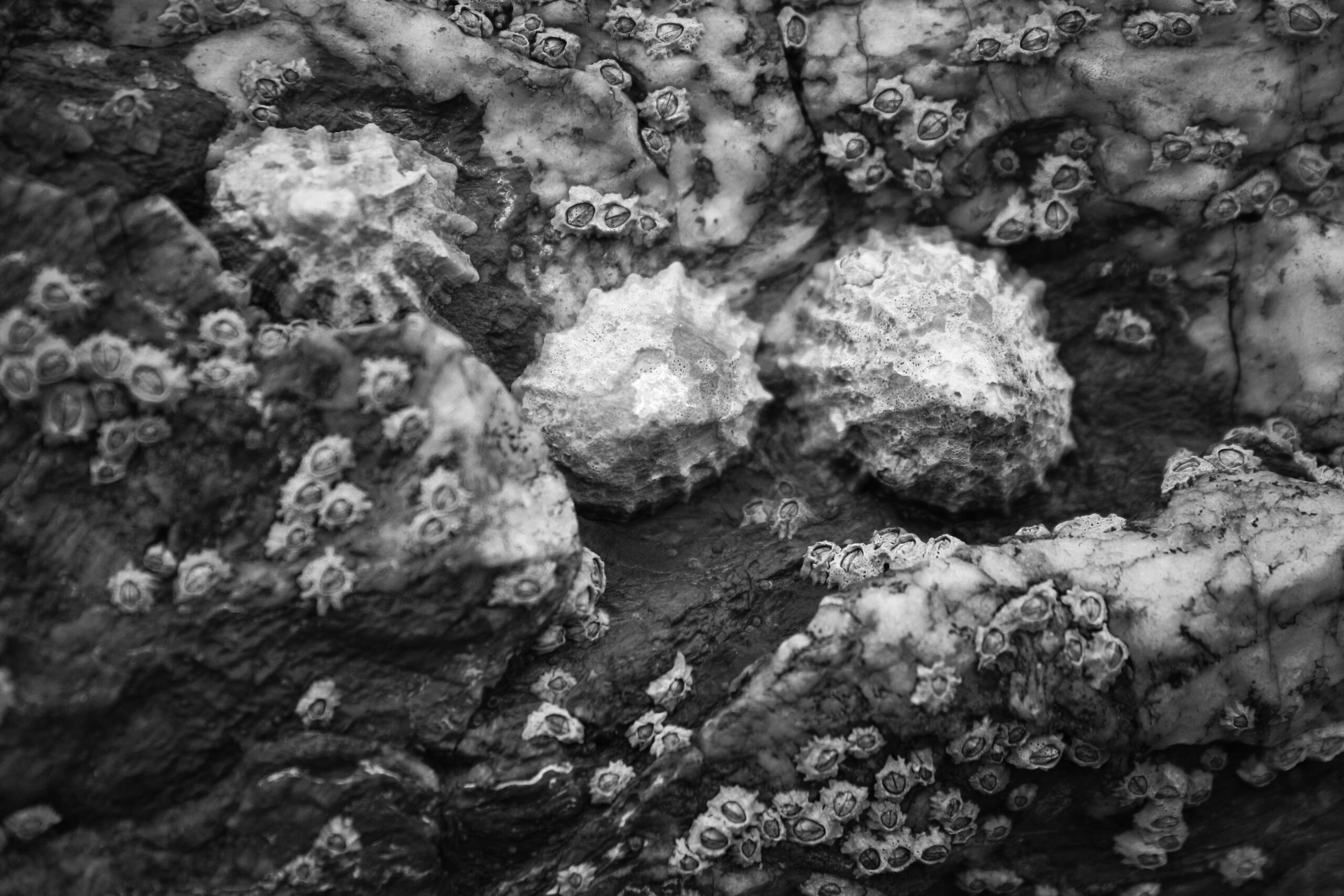
Anyone who has spent a summer in the charcos of La Palma, Tenerife or Gran Canaria knows these volcanic rock pools are neither beach nor swimming pool, and the law has not always known what to do with them. That is one reason why, on Friday 16 October, the Canary Islands government presented the draft of a coastal law written for the islands.
The setting was the first Canary Islands Coasts Congress, “Canarias, Mar y Territorio”, held on 15 and 16 October in Gran Canaria, with about 200 people over the two days. Francisco Villar, professor of administrative law at the University of La Laguna, set out the main lines. Pablo Rodríguez, the regional minister for public works, housing and mobility, argued in his welcome that the islands need more powers over their coastline and called the transfer made so far “insufficient”. Antonio Acosta, director general for coasts and maritime space, said the presentation opens a participation process.
What is in it? The draft adapts general legislation to the archipelago’s particularities and pins down concepts that have caused doubts over interpretation. It builds on existing planning tools, the ones that classify stretches of coast by their value and need for protection, and plans to strengthen them where needed. Its principles include use and enjoyment of the shore, sustainable development, integrated coastal planning and water conservation. It also creates a Coastal Forum and information tools to improve knowledge of the shoreline.
Then come the chapters that touch daily life. Beaches, with classification of stretches, open spaces, compatible uses, maintenance and regeneration. Natural pools, with specific rules. Rights of way for protection and passage, access to the sea and pedestrian accessibility. And traditional coastal settlements, whose historical, fishing, maritime and social value the text recognizes, with ways to organize them and improve basic services but without letting them grow or spread.
To be clear, this is a draft. The source gives no timetable for processing or a date for approval, and we have not read the full text: we rely on the government’s official summary. It is too early to say how the thorniest questions will be settled, such as how fishermen’s houses, restaurants and tourism coexist, or who pays for upkeep of certain stretches.
The political backdrop is familiar: the Canarian government has long claimed exclusive powers over the coast and considers those transferred so far inadequate. Speakers at the panel on regional experience came from Catalonia, Andalusia and the Basque Country, and at the one on new transfers from Galicia, Cantabria, Valencia and Murcia. For residents and anyone who makes a living from the sea, the consultation is worth following: that is where it will be decided how much room charcos and villages get in the final text.