On 1 October, an agreement that has existed in one form or another since 2002 was signed again in Gran Canaria. On one side, the Mancomunidad del Sureste. On the other, the island’s Consejo Insular de Aguas. In between sits a treatment plant, Arinaga, whose tertiary stage produces water fit for irrigation.
The figures, as reported by Canarias7: 1.6 million cubic metres a year, 6.4 million over the four-year term, with an option to renew for another four. That volume makes up 23% of all the reclaimed water the council distributes across the island, a large share for a single plant.
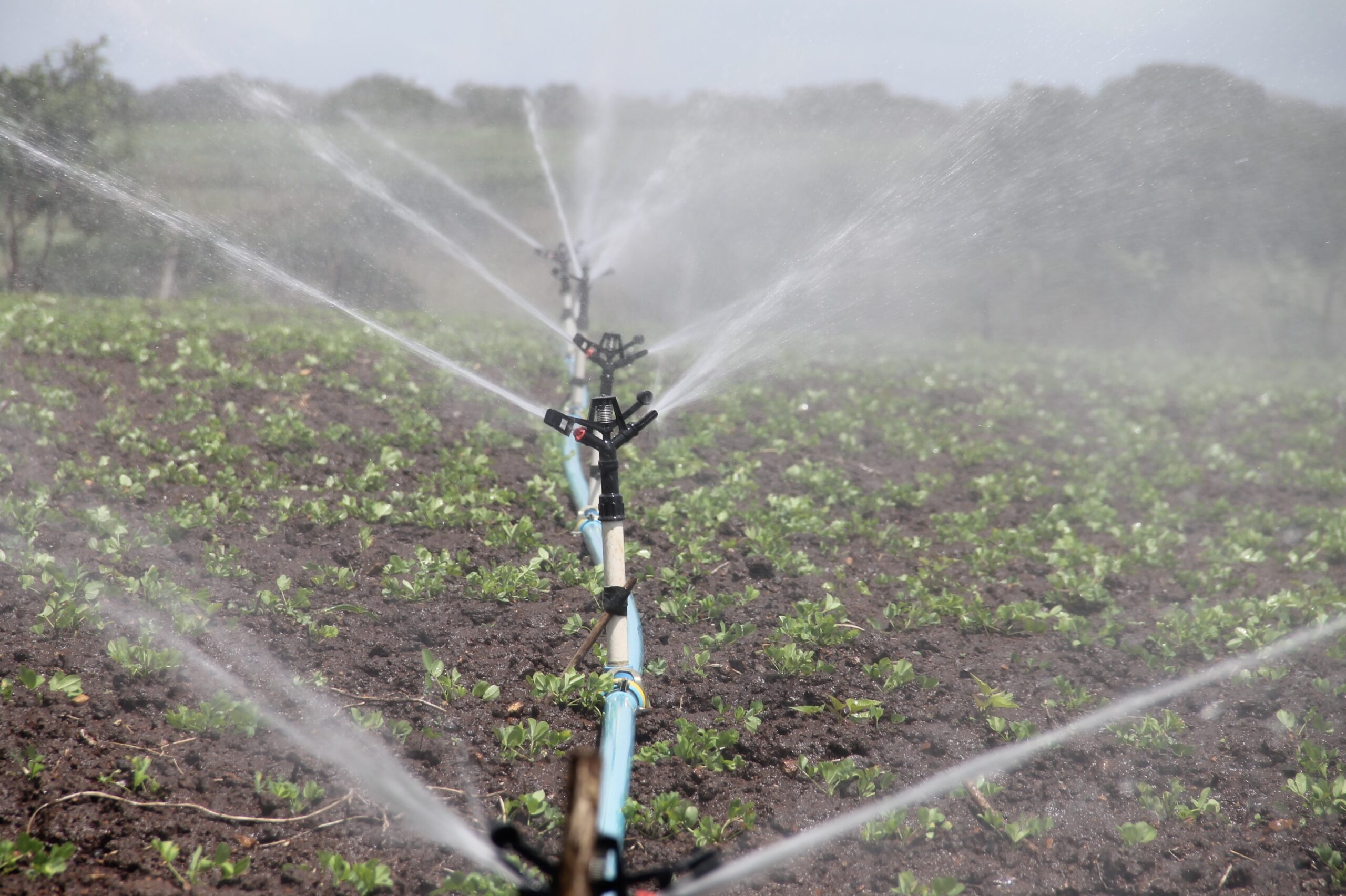
Mancomunidad president Óscar Hernández and council vice-president Miguel Hidalgo, who also handles water security, presented the renewal. Hidalgo called the contribution “fundamental”. The adjective matters less than what the water does: it goes to fields through the Las Palmas-Sur reuse system, and every cubic metre that comes from there is one not pumped from an aquifer already under strain.
The southeast is where the issue is easiest to grasp. Little rain, dry soil, and growers who depend on whatever supply they can secure. Treated wastewater has an advantage other sources lack: the local population produces it every day, in fairly steady quantities. It does not depend on this year’s rainfall or on the energy bill of a dedicated desalination plant. Specialists call it circular economy applied to water. In practice, what leaves a neighbourhood’s drains comes back, treated, to the crop rows.
There is scientific context too. A study led by Juan Carlos Santamarta Cerezal and Noelia Cruz Pérez of the University of La Laguna, published in Environmental Development, lists expanded use of reclaimed water among its measures for Canarian agriculture up to 2050, alongside digital irrigation, crop diversification (currently leaning heavily on bananas and avocados) and training. The authors cite rising temperatures and falling water availability. The Arinaga renewal points the same way, though none of the sources I consulted links it to the study.
Questions remain that the Canarias7 report does not answer. Which crops get this water, at what price, under which quality controls? I could not find it in a second source, so I am not writing it. The 23% figure is also unconfirmed elsewhere and should be read as a single-source number.
What is clear is continuity: twenty-four years of cooperation, a renewed contract, a stated volume. For southeast growers it means planning at least four seasons without wondering where the water will come from. On an island with little rain, that counts as news.