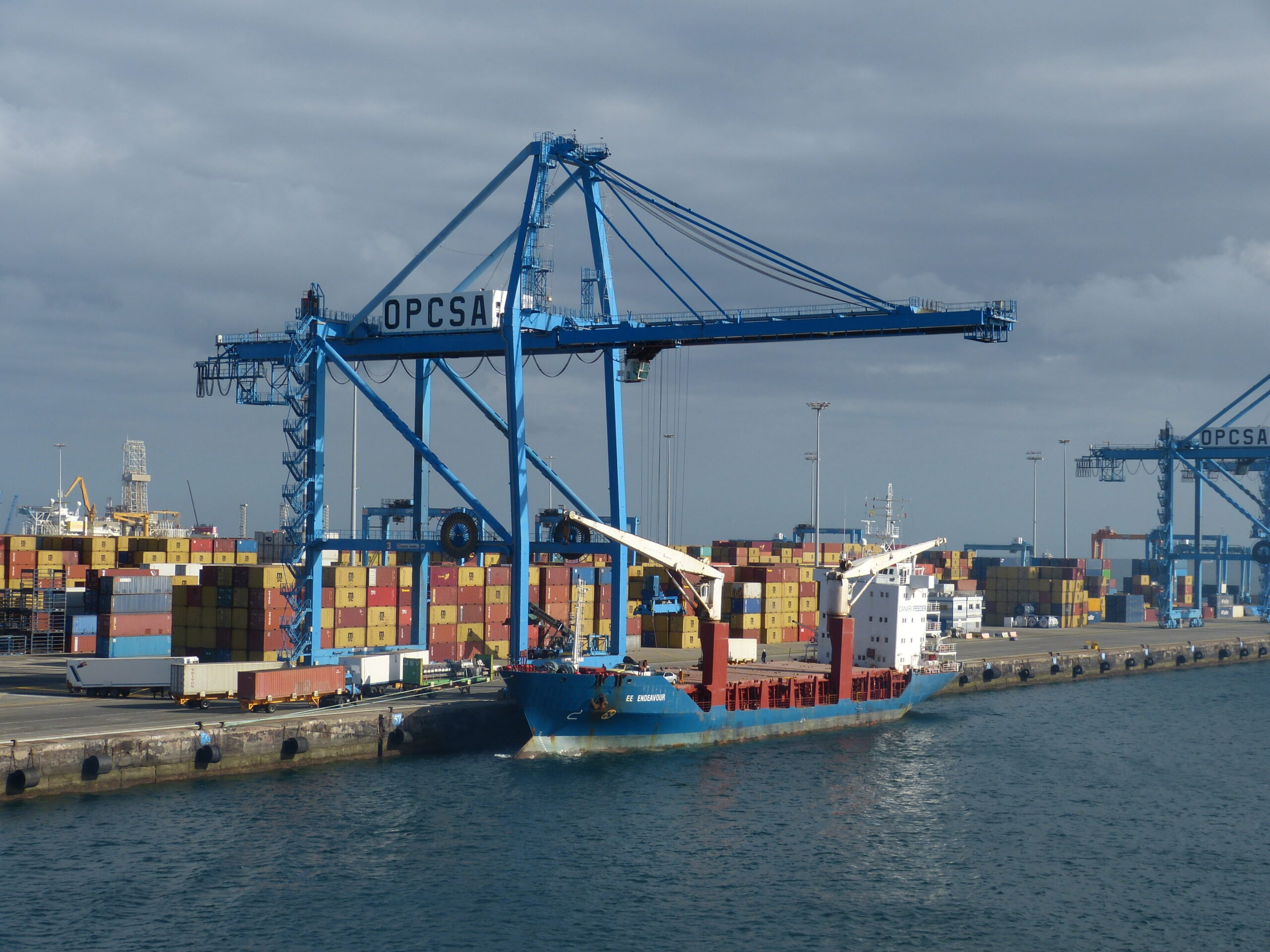
On Monday 23 November at 11:00 the Las Palmas Port Authority presents its 2035-2045 strategic plan. It will do so simultaneously from three venues: the Zona Franca hall in Gran Canaria, the Arrecife office in Lanzarote and the Puerto del Rosario office in Fuerteventura. The invitation went to logistics operators, shipping lines, ship agents and public bodies, who were asked to confirm attendance by today, 20 November.
The framework document was approved by the port’s board at the end of 2025. It rests on three pillars, economic, environmental and social-institutional sustainability, broken down into 14 strategic objectives and 48 action plans. According to Canarias en Pleno, the plan combines infrastructure investment, digitalisation of cargo flows and the environmental upgrades required by the European Union, starting with shore power for ships at berth. Whether activities such as bunkering, ship repair and frozen fish handling stay viable will depend on that work. Funding is meant to be mixed, with EU cohesion funds alongside private capital under concession contracts.
In the background is a construction site less than 500 kilometres from Gran Canaria. Dakhla Atlantique, the port Morocco is building in Western Sahara, was 65% complete in July according to Moroccan Ministry of Equipment sources quoted by Atlántico Hoy. Construction is due to finish at the end of 2028, with operations starting in 2029. It is designed for 35 million tonnes a year and around one million containers, plus industrial and logistics zones. Ecofin Agency puts the cost at 15 billion dirhams, about 1.6 billion dollars, with an industrial zone of 1,650 hectares.
The concern is not limited to the press. The draft of EMSICAN, the Canary Islands’ sustainable and smart mobility strategy, names Dakhla as a threat to the archipelago’s ports and proposes studying its tariffs, capacity and services to estimate which routes and cargo could move there. The suggested responses include discounts on port fees for ships and goods, supplying LNG, green ammonia and methanol alongside conventional fuels, new dredging, reinforced quays, automated container terminals and a single window for customs and inspections.
The figures show what is at stake. The Canary port system grew from 29.6 million tonnes in 2000 to 41.8 million in 2024. The Port of La Luz in Las Palmas grew 142% over that period, handles about 57% of the islands’ traffic and is connected to more than 180 ports. Santa Cruz de Tenerife, by contrast, handles 19% less than at the start of the century.
Antonio Morales, president of the Cabildo of Gran Canaria, has long called for a regional strategy and puts Dakhla on the same list as Tanger Med, Agadir and Nador. “Cooperating does not mean we stop defending our interests,” he said.
Meanwhile Las Palmas keeps building. In July the Spanish cabinet authorised the tender for a new 45.3 million euro quay next to the Reina Sofía breakwater, with 335 metres of berth and 20 metres of draught, as part of an investment plan worth more than 350 million. According to Cita News, ten companies have submitted six bids. The award date and the length of the works have not yet been published.
On Monday it will become clear how much of the plan actually deals with Dakhla and how much remains a list of intentions.