In February inflation in the Canaries stood at 2.1%. By October it had reached 4.5%, after eight consecutive monthly rises. The figures were published on Friday 13 November by Spain’s statistics office INE and the regional statistics institute ISTAC.
In October alone prices on the islands rose 1%, against 0.6% in Spain. Since January they are up 3.7%. The annual rate is still below the national one, which held at 4.9% as in September. The same goes for core inflation, which leaves out fresh food and energy: 2.8% in the Canaries against 3.1% in Spain.
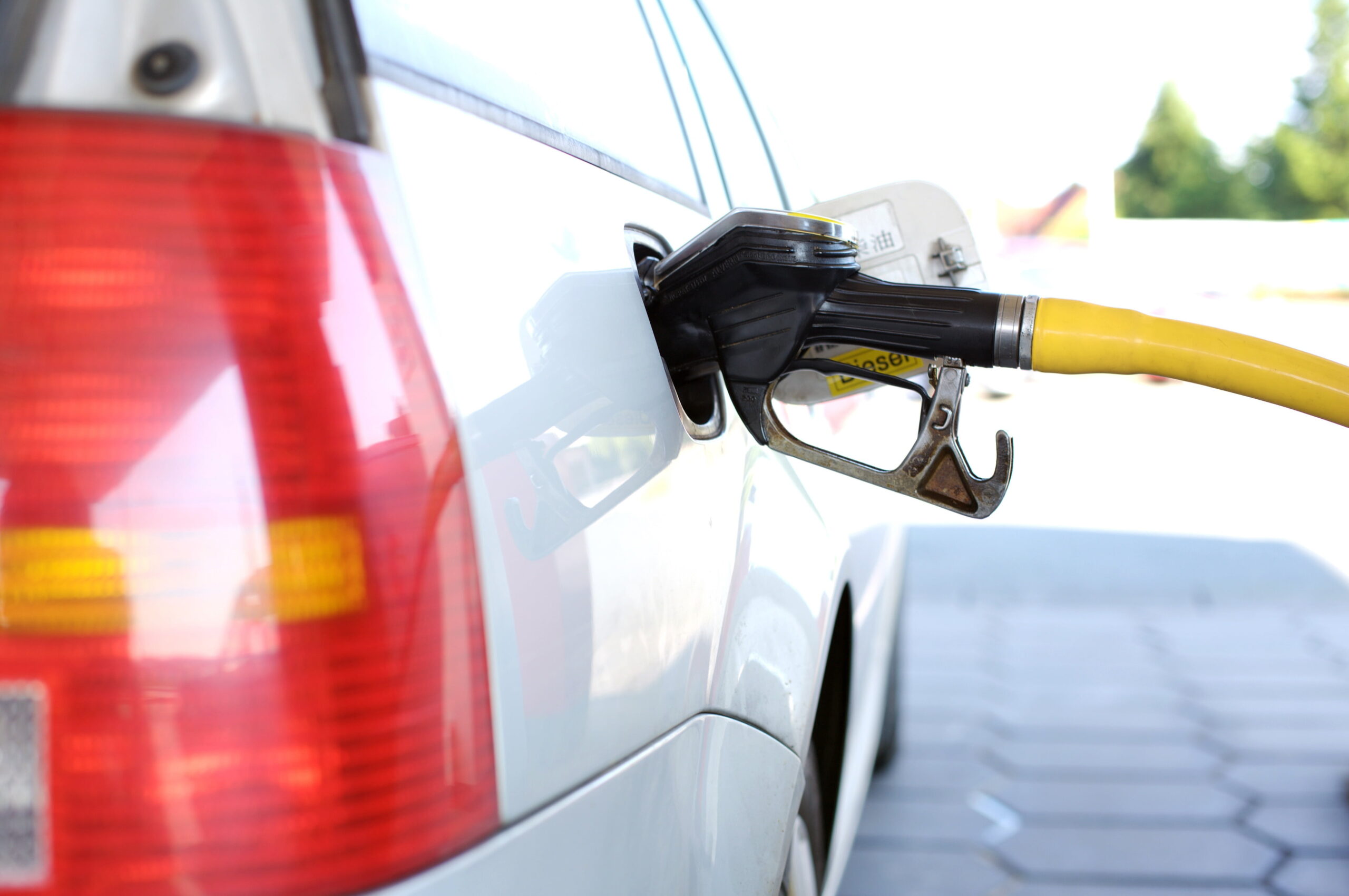
Transport makes the difference. In INE’s classification the transport group is up 11% on the islands and 10.3% in Spain, where it fell two tenths in October as fuel got cheaper. ISTAC goes into more detail. Personal transport, which includes car fuel, is up 13.5%. Next come heating, lighting and water supply at 9.9%, and eggs in third place at 8.3%. Restaurants and accommodation are up 4.6%, housing 4.4% and information and communications 4.3%. Clothing and footwear rose only 0.7%.
Some prices fell. Coffee, cocoa and tea dropped 4.9%, milk, oils and fats 1.7%, and sugar 1.1%.
Behind fuel prices is oil. According to El Faro de La Palma, Brent crude went above $100 in 2026, reached about $110 in April and fell below $90 in early November. Changes in crude prices reach the pumps a few weeks later. Since late September the regional government has applied a zero rate of IGIC, the Canary sales tax, to some energy products, under a decree it linked to the crisis in the Middle East. The same paper reports that the decree could be withdrawn month by month if fuel costs no more than 15% above the level of a year earlier.
For people who live on the islands, and for those who move here to work remotely, the upshot is simple. Driving and keeping a home running cost a good deal more than a year ago, while the food bill is rising more slowly. November’s figures, due in mid-December, will show whether early November’s fall in oil reached the pumps.