A training kitchen weighs less in a budget than a resort, but it is where the question of who will serve that resort’s guests in five years gets decided. That is, in essence, what the board of Hecansa, Hoteles Escuela de Canarias, the public company attached to the Department of Tourism and Employment, reviewed on 26 October.
The figure that made the headline: the company has spent 73.16% of the Next Generation EU funds granted for 2023-2026. The numbers the government gives are 10,992,590.87 euros spent out of 14,928,929.29 allocated. A small note on arithmetic: dividing one by the other gives 73.6%, not 73.16%. One of the numbers probably carries a typo, and until the government clears it up we treat the figure as approximate, about three quarters. If the euro amount is the correct one, roughly 3.9 million remains to be spent.
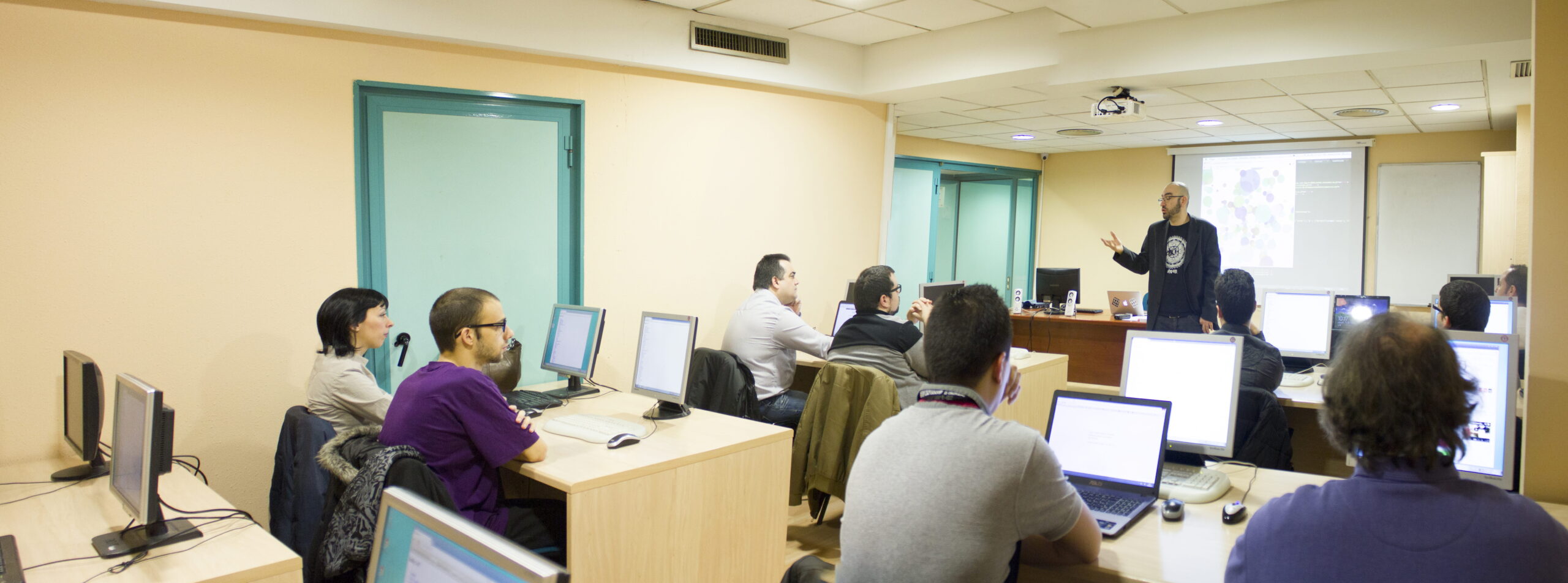
What is the money for? According to Tourism and Employment councillor Jéssica de León, to upgrade infrastructure. Hecansa’s managing director Paola Plasencia cited work on practical training spaces in particular: kitchens and reception areas, the places where students learn the trade with their hands.
The more interesting part, though, is the model. The 2025-2028 Strategic Plan, approved in September 2025, aims to make Hecansa a national reference in intensive dual vocational training. It works like this: the student spends 50% of the course at Hecansa centres and the rest working under a training contract with a company in the sector. Named partners include Barceló Hotel Group, Iberostar Hotels & Resorts, H10, Satocan and Princess Hotels & Resorts.
Why does it matter for people living in the Canaries? Because tourism is the industry that hires the most and finds it hardest to fill posts. A training contract that puts a young person in the kitchen or on the floor from year one shortens the gap between school and job. The release gives no figures on enrolment, graduates or hires, so we can’t say how well the model works: only that it exists, and with whom.
Outside the accredited track, Hecansa also runs non-accredited courses on every island. The latest workshop, “Local gastronomy: proximity, circularity and responsible management,” ran on each island, La Graciosa included. Cooking with nearby produce and less waste is a topic many restaurateurs care about.
A date is closing in. Next Generation funds have a 2026 horizon, and whatever remains unspent has a few weeks to become works or supplies. The final balance will show whether the new kitchens arrived on time.