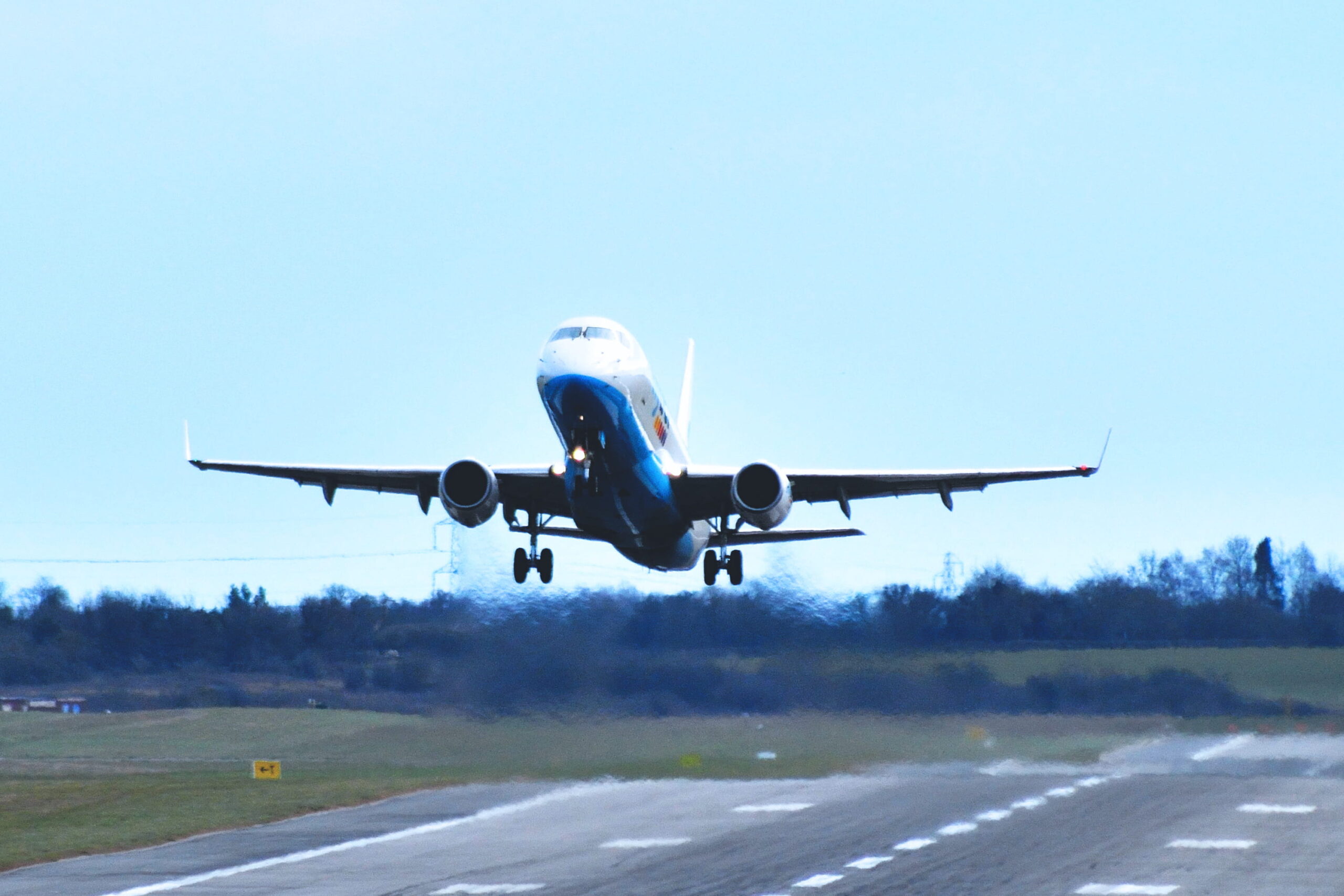
In January, according to RTVC, the control tower at El Hierro airport cut its service hours by twenty minutes because it was short of staff. Aena opened disciplinary proceedings against Saerco, the company that runs the tower. The Canarian government pointed to cases like this when it asked for a say in the archipelago’s airports. Now there is a date: 29 October.
Government spokesman Alfonso Cabello announced it on Thursday 22 October, after an extraordinary cabinet meeting. That day, in Tenerife, the Canaries and the state will meet in two separate committees. One covers how the regional government takes part in airport management. The stated aim is a bilateral airport body that guarantees the islands a hand in decisions on airport infrastructure. Cabello sounded optimistic: the signing could happen that same day, “si se dan todas las condiciones”, meaning if all the conditions are met.
The demand, he recalled, is more than thirty years old and, in his words, rests on article 161 of the 2018 Statute of Autonomy. The deal would treat airports of general interest differently from smaller ones that are not. The new body would handle dialogue, supervision, complaints and monitoring, in a stable framework that does not depend only on the goodwill of the central government or Aena. Getting here, he said, took many rounds of drafts.
The text of the agreement is not public, so the earlier steps are the best guide to its weight. In January Aena’s chairman, Maurici Lucena, rejected co-management: handing airports to third parties would be “nulas de pleno derecho”, void by law, and coordination can improve but participation cannot. At a technical meeting on 10 April the transport ministry and Aena said they were ready only to look for coordination formulas, along the lines of the Basque deal. On 19 May minister Ángel Víctor Torres opened the door to an agreement on the same model: a non-binding bilateral body that could influence investment, infrastructure, fares and charges, with Aena outside it and management staying with the state. At the time a June signing was expected. It is now late October.
What does it mean for passengers? For now, nothing, and it would be wrong to promise otherwise. The sources consulted give no date for the agreement to take effect and do not say whether the body will have binding powers. The version described in May did not. If the signing happens on the 29th, the real test comes in the following months, when a complaint about a timetable or a charge finds, or does not find, someone obliged to answer.